

Mini Set Design
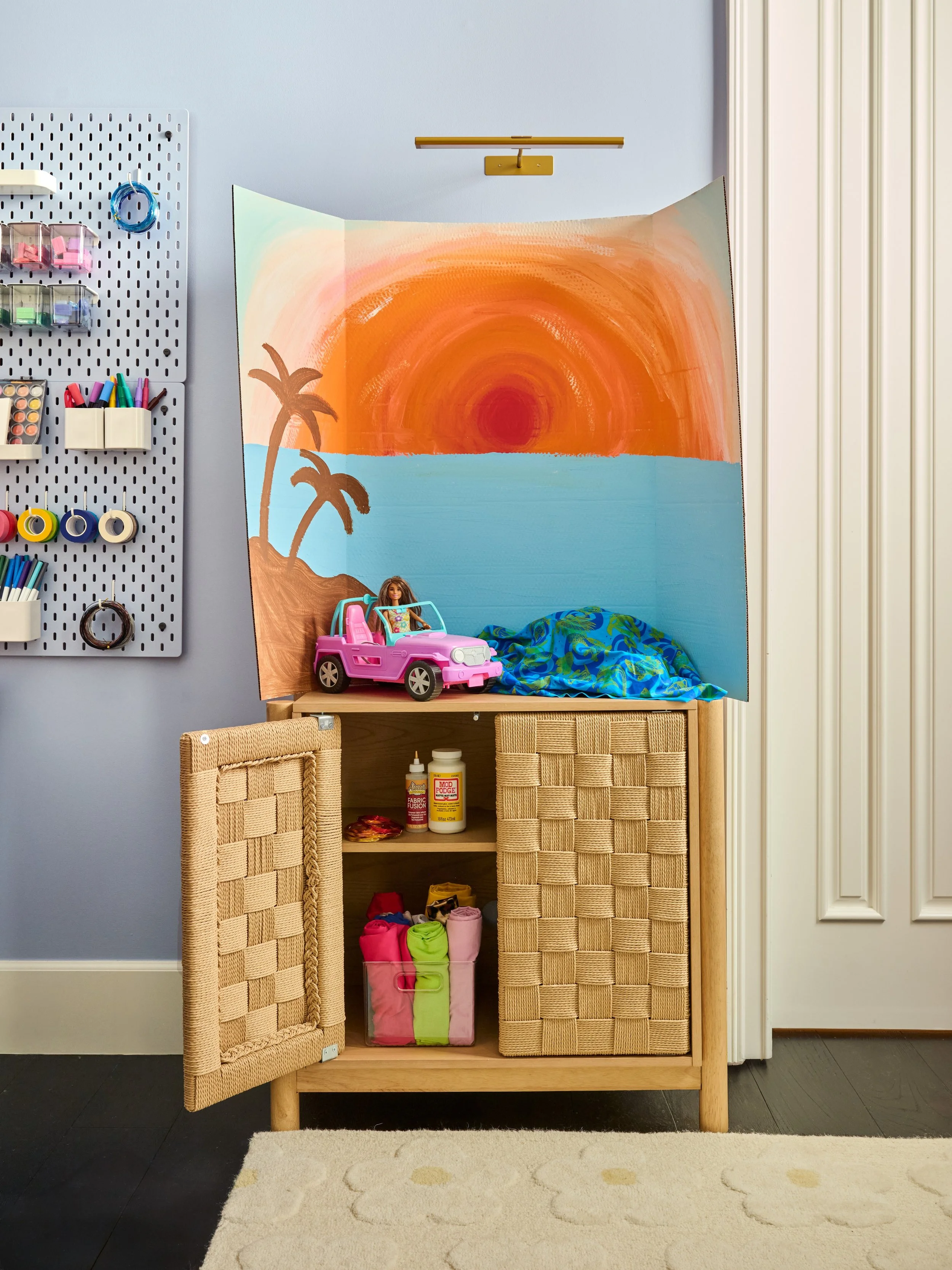
This playroom belongs to a family with three girls who ~love~ dolls. When we visited for our initial purge we found Barbies, L.O.L. Dolls, and lots of American Girls. We knew we needed to come up with a more streamlined and accessible way to store their collection, but a bigger hurdle than that was figuring out what to do with the accessories and play sets that accompanied these dolls. Because if you own any of these, you know they can be BIG!
After evaluating the products, we decided some were ready to be donated or tossed out (broken, missing too many pieces, no longer played with). That left us with a small, but solid, selection of beloved American Girl Doll vignettes. Then! We had a lightbulb moment :)
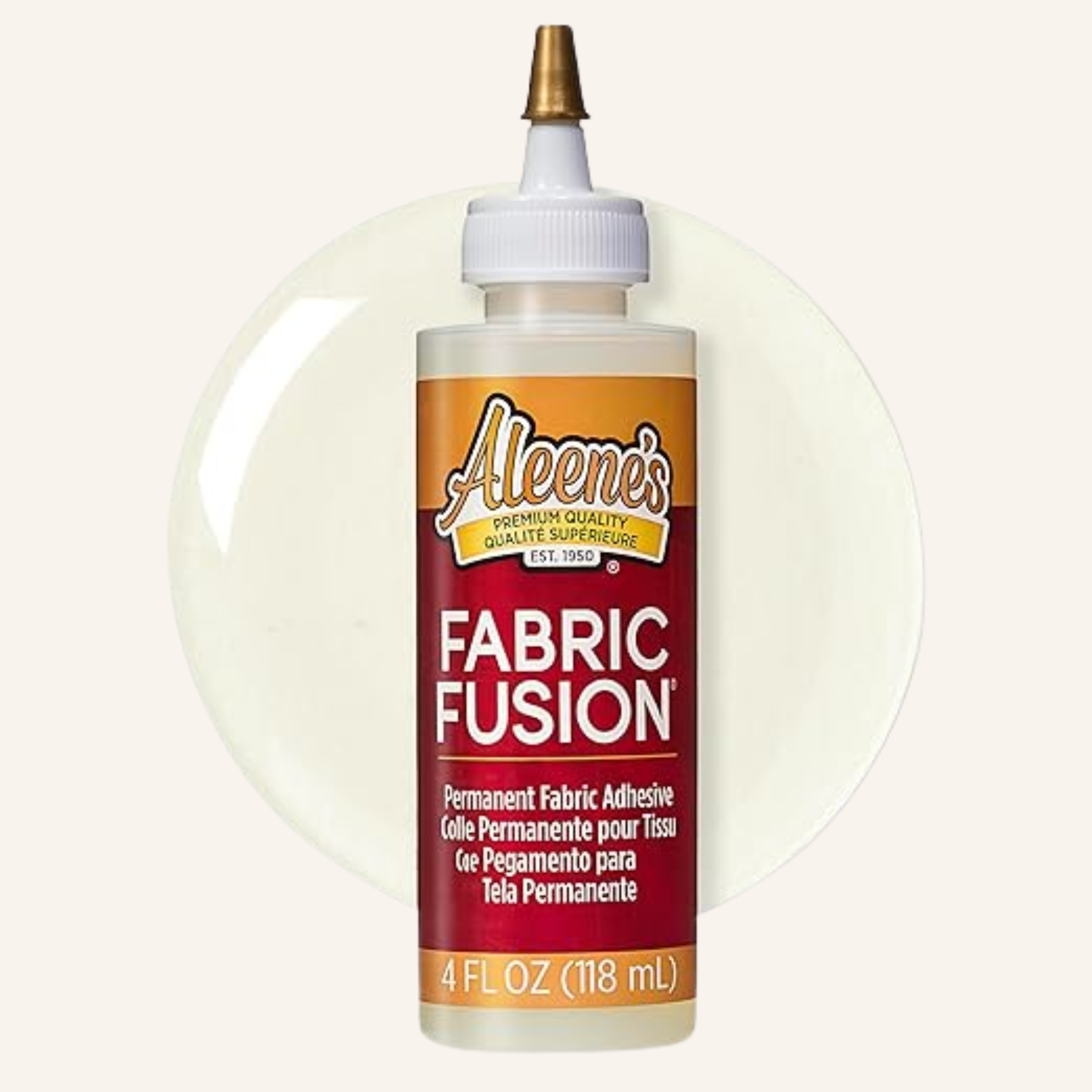
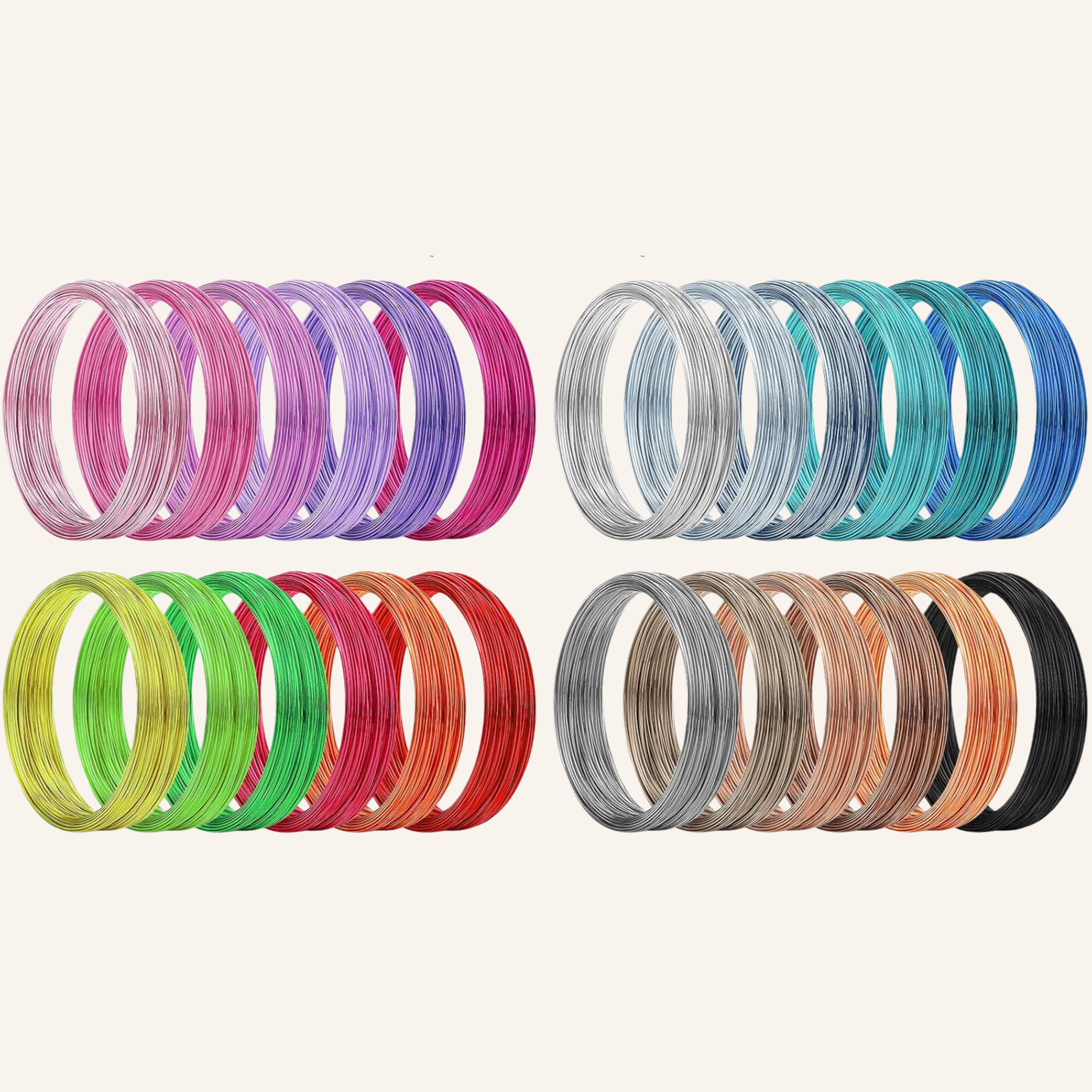
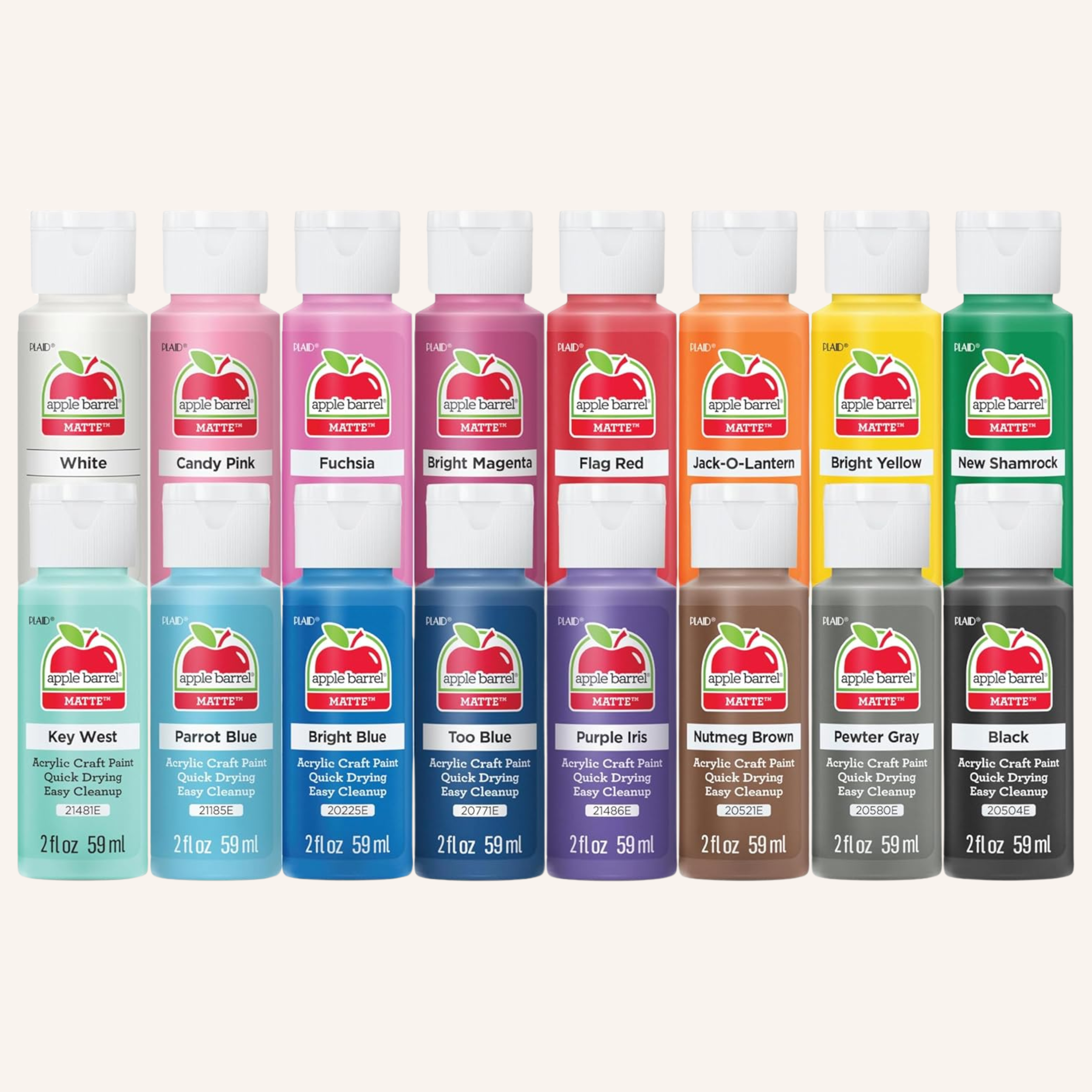
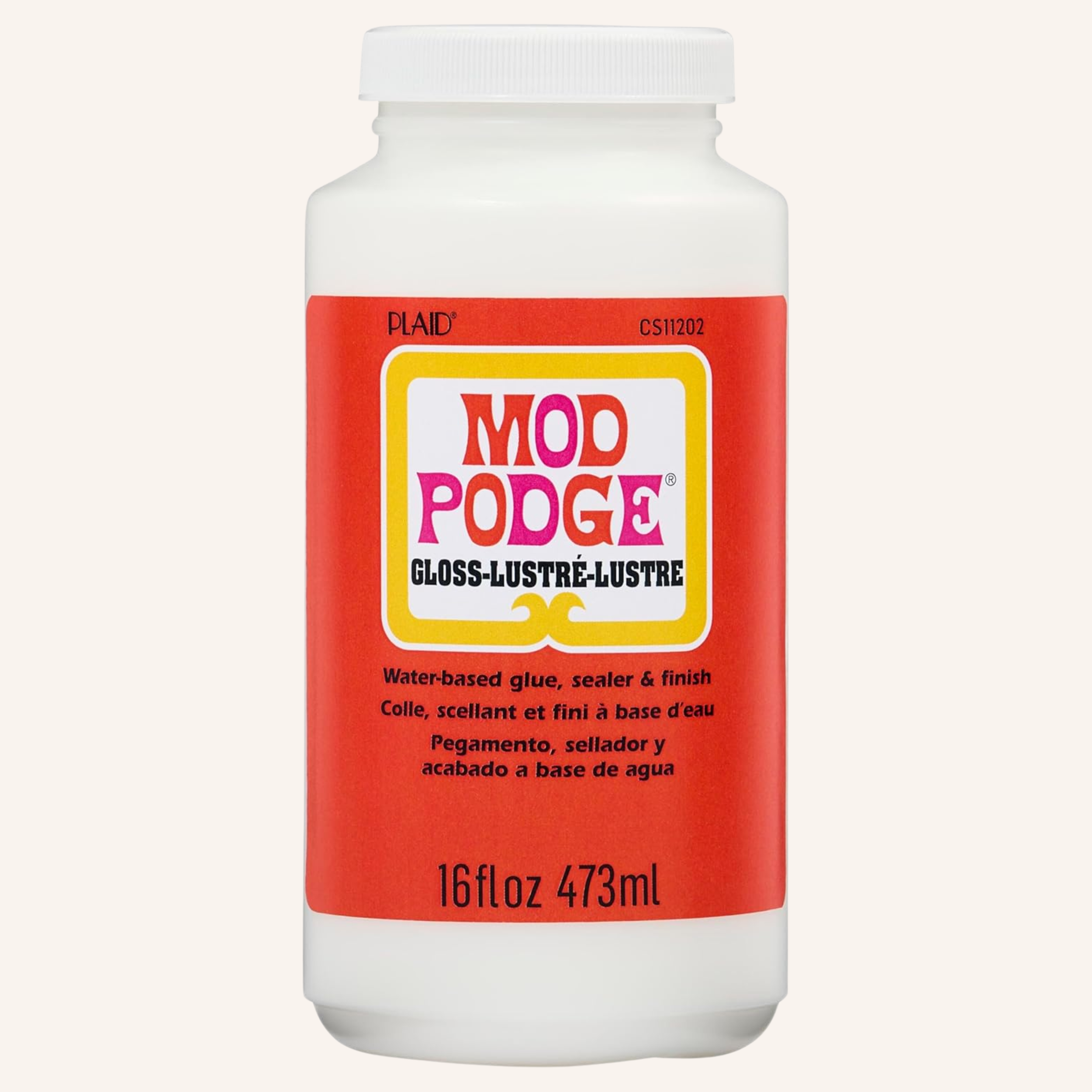
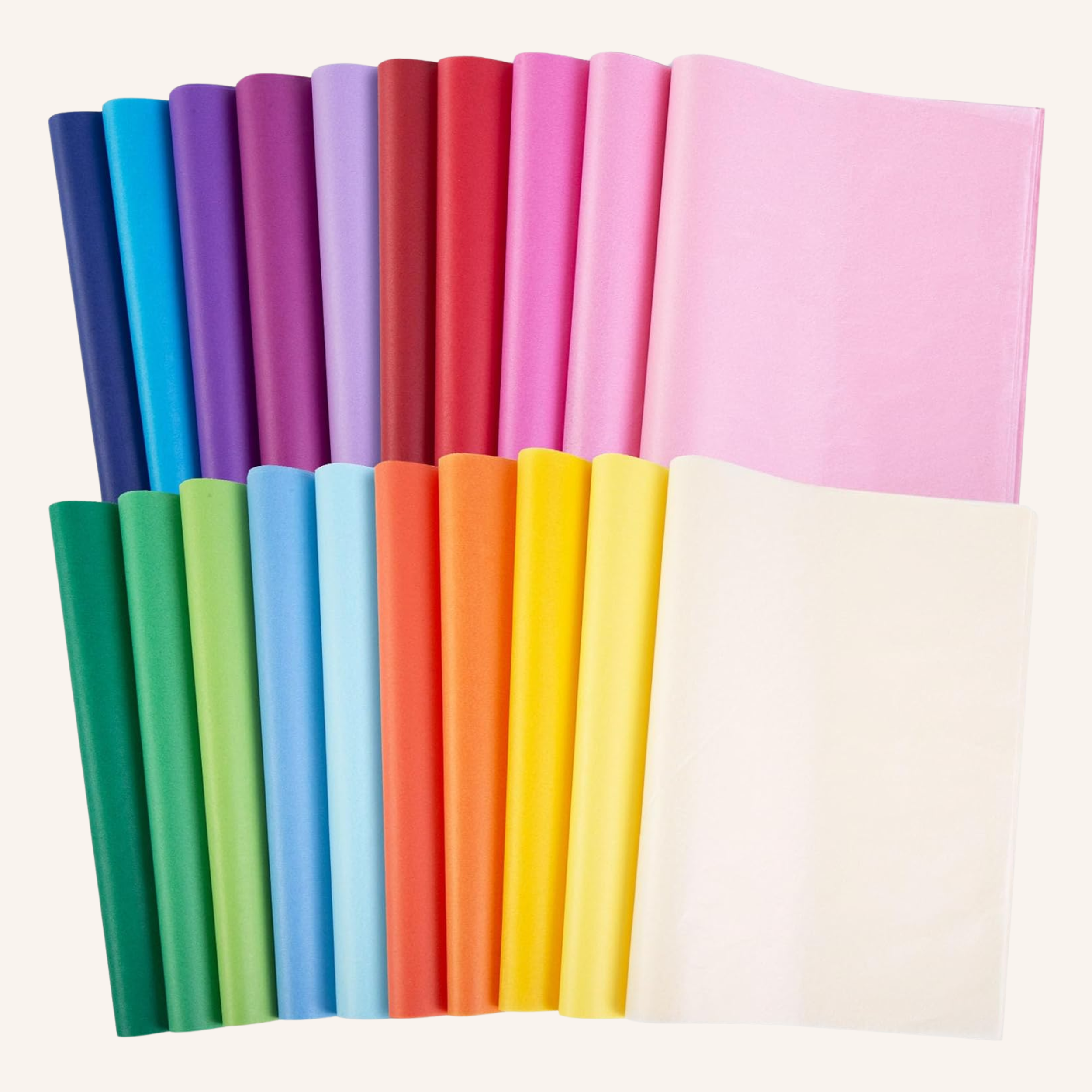
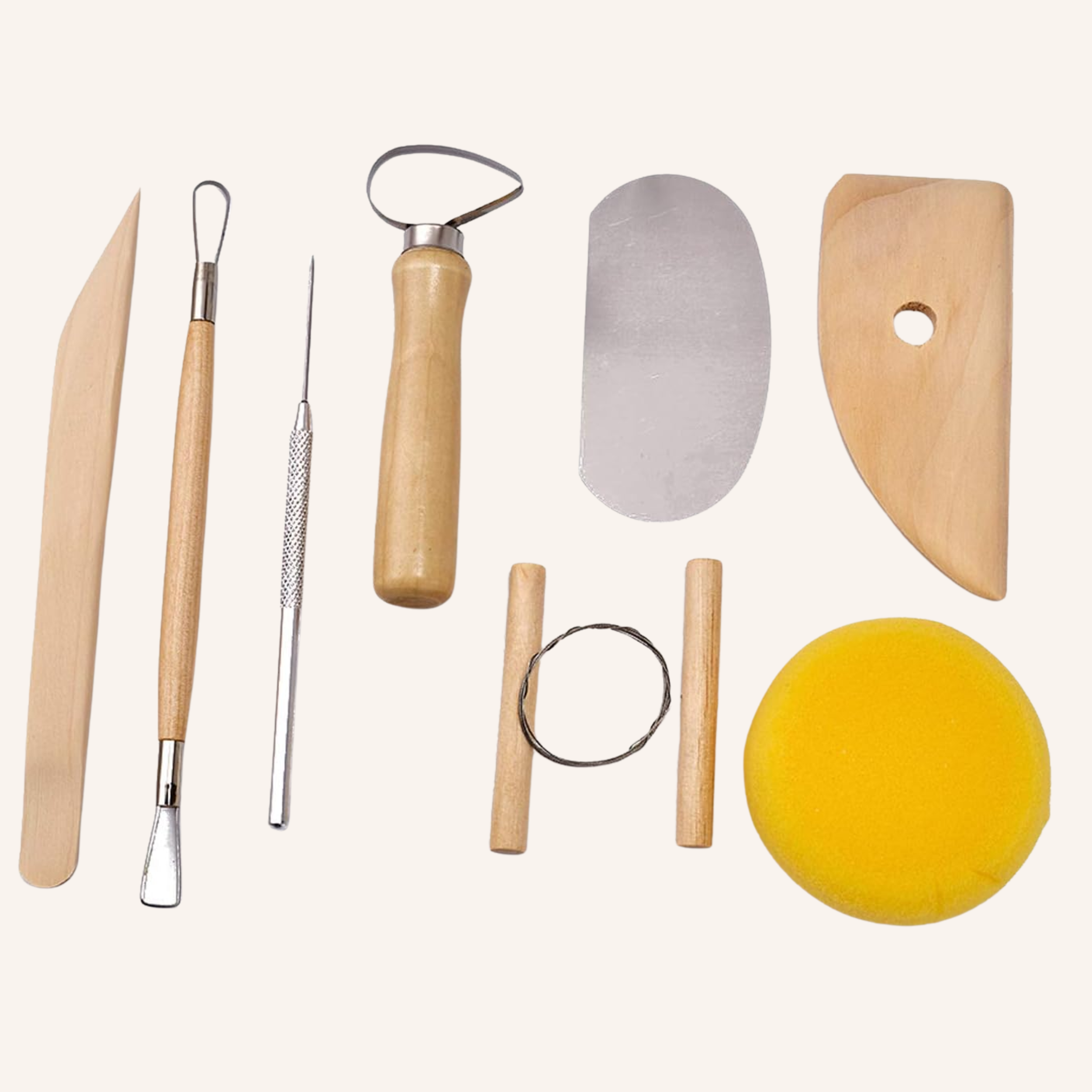
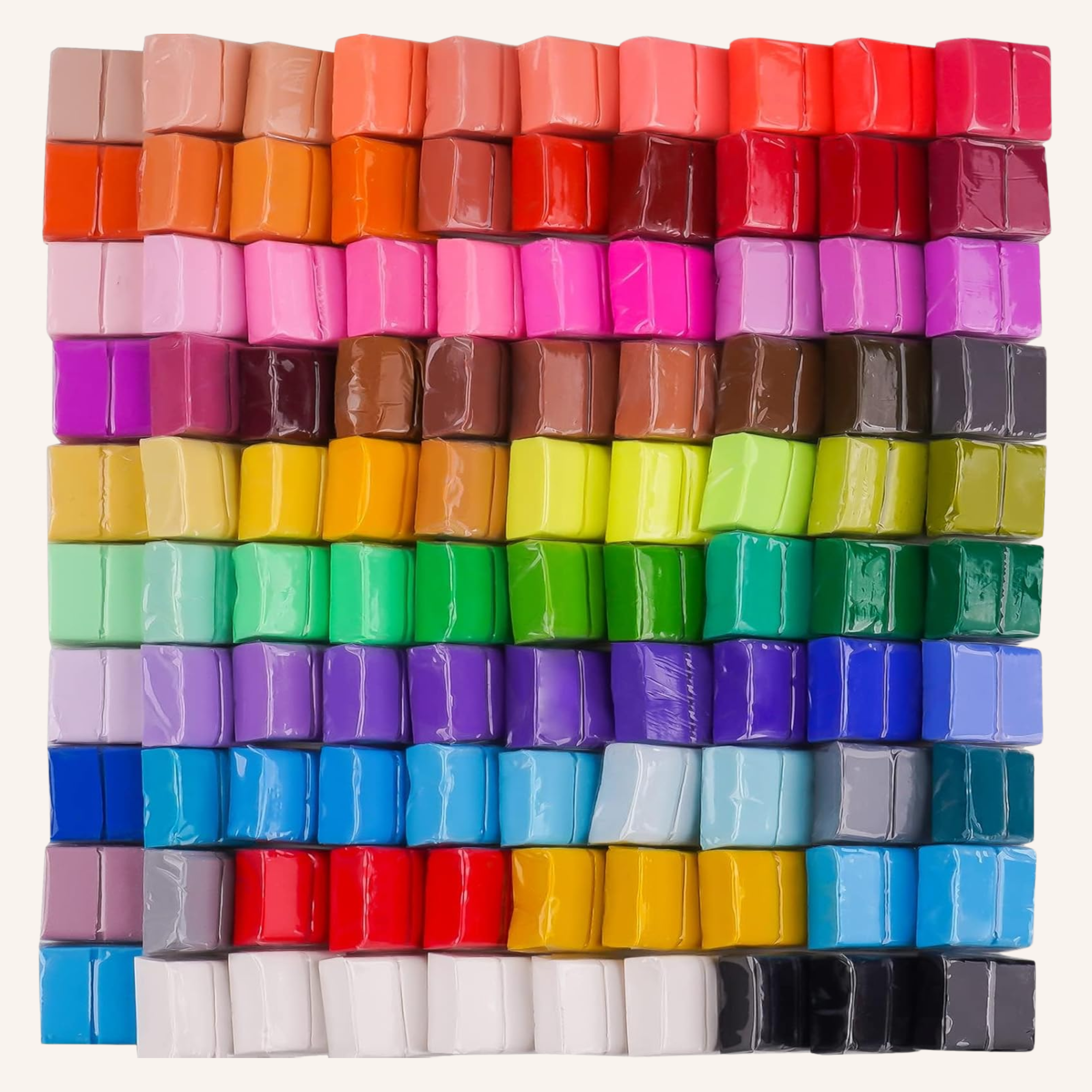
We decided we wanted to give these girls the tools and materials they’d need to create their own backdrops for doll play, like mini set design! This way they’d be able to personalize them and adapt them when needed. Here are the basics that ended up on our shopping list:


Why is this kind of creative play beneficial?
1) A project like this gives a child an opportunity to visualize something in their mind, and do their best to bring it to life. It sounds simple, but this is how all the best inventions and innovations came to be! It goes like this: Someone thinks of something that they believe would make our lives better, easier, or more beautiful, and they do what they have to do to create it in our physical world. This process gives kids confidence in their ideas and ability to create something new. THAT’S. SO. IMPORTANT!
2) A project like this creates knots in a child’s play and offers opportunities to practice problem solving. It’s normal for parents to want to make their children’s lives easier. We like seeing people we love happy. It’s harder to see people we love upset, frustrated, sad, or angry. We’re not encouraging you to induce constant frustration while your kids are playing. But it is SO important for children to be able to approach a problem with a good attitude and persist after failure. Often, if a child is engaged in play they’re genuinely enjoying, they’ll have more endurance for doing something hard and working through roadblocks.
3) A project like this allows children to be creative. Traditional schooling facilitates product-oriented learning. The best example of product-oriented learning is the handprint turkey craft we’ve all made at Thanksgiving. A class of 24 kindergartners could all make one and there wouldn’t be that much variation among the finished products. Open-ended projects like designing a set for an American Girl Doll facilitates process-oriented learning. This allows a child autonomy and creative decision-making power. We have to let children make choices for themselves if we want them to grow up into adults who feel confident in their identity and preferences.